
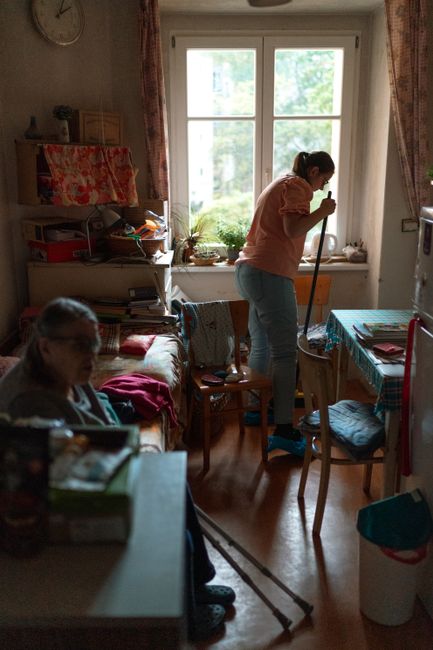
Moving into assisted living often means adjusting to a smaller living space, a new routine, and a different level of daily support. Personalizing the apartment can make that transition easier by bringing familiar sights, useful comforts, and meaningful memories into the new setting.
The goal is not to recreate an entire former home. A comfortable apartment usually works best when it is arranged around the resident’s routines, safety needs, and sense of identity.
What should be brought into an assisted living apartment first?
The first items should support daily routines and emotional comfort. Familiar belongings can help a resident recognize the new space as personal rather than temporary.
Useful starting items may include:
- A favorite chair that is easy to rise from
- Family photographs in lightweight frames
- A familiar blanket, quilt, or pillow
- A small clock with large, readable numbers
- Everyday clothing organized by type or season
- A few treasured books, records, craft supplies, or religious items
- A familiar lamp, if permitted by the residence
- A calendar or memory board for appointments and activities
It is usually better to move in gradually. Bringing too many possessions at once can create clutter and make it harder to decide what is truly useful. Begin with essential items and a few personal touches, then add more after the resident understands how the apartment functions.
How can furniture be arranged safely?
Furniture should leave clear walking paths from the bed to the bathroom, entrance, closet, and seating area. A room may look attractive but still create hazards if chairs, tables, or decorative pieces narrow the route.
Avoid placing:
- Small tables in the middle of walking paths
- Loose rugs that can slide or curl
- Electrical cords across the floor
- Furniture directly in front of doors, drawers, or heating units
- Frequently used objects on high shelves
- Low stools that are difficult to see or rise from
A sturdy chair with arms is often more useful than a deep, soft chair that makes standing difficult. The bed should be positioned so that the resident can enter and exit without squeezing between furniture. A nightstand should hold only commonly used items, such as glasses, tissues, a telephone, or water.
Before moving in, ask about apartment dimensions, approved furniture, wall-mounting rules, smoke detector locations, and any restrictions on extension cords or personal appliances.
Which personal items provide the most comfort?
The most helpful items are often connected to familiar routines. A resident who enjoyed gardening may appreciate a small plant, a nature photograph, or a basket for gardening books. Someone who regularly hosted family meals may value a favorite serving dish or a framed recipe card.
Personalization can include sensory details:
- Soft bedding in familiar colors
- A preferred scent from an approved lotion or sachet
- A small radio or music player at a safe volume
- Family recipes displayed in the kitchen area
- Artwork that reflects a past hobby, faith, or vocation
- A familiar hand soap or grooming item
Strong scents should be used carefully because other residents or visitors may have allergies or sensitivities. Open flames, candles, incense, and heated fragrance devices may not be allowed. Battery-operated alternatives may be safer if permitted.
How can photographs and decorations be used without creating clutter?
Photos and decorations work best when they are selective and easy to recognize. A few large photographs may be more meaningful than dozens of small frames.
Consider creating a simple memory display with:
- Names and relationships written on the back or beside each photo
- Pictures from different stages of the resident’s life
- Familiar places, hobbies, pets, and celebrations
- A small number of seasonal decorations that can be changed easily
For a resident with memory loss, labeled photographs can support conversation and recognition. A photo of a spouse, sibling, or longtime friend is more useful when the person’s name and relationship are clearly identified.
Wall decorations should be lightweight and installed only with approved methods. Heavy mirrors, glass frames, or unsecured shelves can become hazards if they fall.
What technology is useful in a personalized apartment?
Technology should simplify daily life rather than add confusion. Devices with large buttons, clear labels, and simple controls are generally easier to use.
Helpful options may include:
- A large-display clock
- A simple telephone with important numbers labeled
- A tablet for family video calls
- A television remote with unnecessary buttons covered or marked
- Motion-activated night lighting
- A digital photo frame, if the resident can use it comfortably
Charging stations should be placed where cords do not cross walking paths. Devices should not be left on soft bedding or covered with blankets while charging. Some residences have rules about personal appliances, wireless equipment, or electronic monitoring, so those policies should be reviewed before setup.
How should the apartment be personalized for changing mobility needs?
Personalization should anticipate possible changes in strength, balance, vision, or memory. A room that is easy to navigate today may become difficult after an illness or fall.
Keep frequently used clothing, toiletries, and personal items between waist and shoulder height. Use high-contrast labels on drawers if helpful. Nightlights can make the route to the bathroom easier to see, especially during winter evenings when it becomes dark earlier in the day.
In Drexel Hill, PA, seasonal weather may also affect routines. Wet footwear, coats, umbrellas, and mobility equipment can bring water or salt indoors during winter conditions. A designated area near the entrance for outerwear can reduce slipping risks and keep the main walking path clear.
Any changes involving grab bars, flooring, lighting, electrical systems, or mobility equipment should follow the residence’s rules and may require evaluation for safety.
What should families avoid bringing?
Families sometimes bring familiar furniture or decorations that are meaningful but impractical in a smaller apartment. Oversized items can limit movement, block closets, or make housekeeping more difficult.
Avoid bringing:
- Valuable jewelry or irreplaceable antiques
- Fragile decorations that require frequent handling
- Excess clothing that will not fit in the available storage
- Appliances that are not approved
- Unlabeled medications or supplements
- Furniture with sharp corners or unstable legs
- Items that create confusion about whether they belong to the resident
Important documents, valuables, and sentimental objects should be stored thoughtfully. A written inventory and photographs of valuable belongings can help families keep track of what is in the apartment.
How can the apartment support a resident with memory loss?
A predictable environment is often more helpful than a highly decorated one. Keep important objects in consistent locations, use clear signs where appropriate, and avoid frequently rearranging furniture.
A resident may benefit from:
- A clearly visible bathroom sign
- A large name or room identifier, if allowed
- A familiar daily schedule
- A memory board with the date and planned activities
- Simple drawers labeled with words or pictures
- A recognizable blanket or chair near the usual sitting area
Too many patterns, reflective surfaces, or decorative objects can be distracting. Personalization should reduce uncertainty, not create additional visual noise.
How often should the apartment be updated?
The apartment should be reviewed whenever the resident’s abilities, interests, or routines change. Seasonal adjustments may include lighter bedding, warmer clothing, or a small number of holiday decorations.
A quarterly review can help identify:
- Clothing that no longer fits or is no longer used
- Furniture that has become difficult to navigate around
- Devices that are confusing or unnecessary
- Expired toiletries or personal care products
- Decorations that create dust, clutter, or fall risks
The most successful apartment setup reflects the resident’s current life. It should feel familiar, organized, and personal while still allowing safe movement and access to daily support.
