

Assisted living generally provides help with daily care, medication routines, health coordination, and basic wellness needs while allowing residents to maintain as much independence as possible. The exact services depend on the residence, the resident’s assessment, and whether care is provided directly by staff or arranged through outside clinicians.
What health services are usually available?
Most assisted living residences provide health-related support that falls between independent living and skilled nursing care. In Pennsylvania, assisted living residences are licensed and monitored by the Department of Human Services, with requirements addressing resident health care, staff training, nutrition, safety, and personal care. ([pa.gov](https://www.pa.gov/agencies/dhs/resources/aging-physical-disabilities/personal-care-homes?utm_source=openai))
Common services may include:
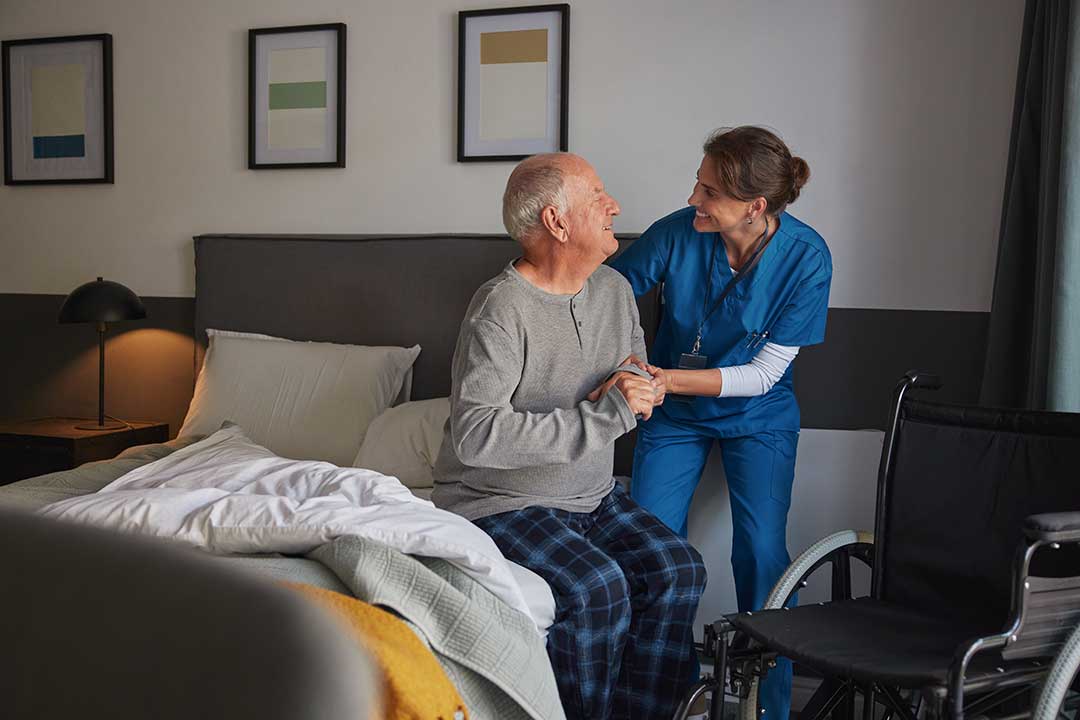
- Help with bathing, dressing, grooming, toileting, and transferring
- Assistance with walking or using mobility devices
- Medication reminders, assistance, or administration
- Monitoring changes in health or behavior
- Coordination of physician visits and other appointments
- Transportation or escort support for medical visits
- Basic first aid and response to minor health concerns
- Assistance following a hospital discharge or change in condition
- Communication with family members or designated health representatives
These services are not identical at every residence. A resident’s support plan should describe what staff will provide, how often assistance is available, and what happens if care needs increase.
How is medication assistance handled?
Medication support is one of the most common health services in assisted living, but it does not always mean that staff administer every medication. Pennsylvania guidance recognizes several arrangements: a resident may self-administer medications independently, self-administer with some staff assistance, or receive medications administered by trained staff. ([pa.gov](https://www.pa.gov/content/dam/copapwp-pagov/en/dhs/documents/licensing/bhsl-licensing/documents/Personal_Care_Home-2600_Regulatory_Compliance_Guide_RCG.pdf?utm_source=openai))
Staff may help by:
- Providing reminders at scheduled times
- Opening containers or handling packaging
- Observing whether medication was taken
- Storing medications safely
- Administering medications when the resident has been assessed as needing that service
- Reporting missed doses, side effects, or other concerns
A resident may be capable of managing one medication but need help with another. For example, someone may independently use an inhaler but need staff to organize and administer daily tablets. The care plan and medical assessment should reflect these differences.
Families should ask whether medications are administered by trained employees, how missed doses are documented, and how prescription changes are communicated after a hospital or physician visit.
Do assisted living residences provide nursing care?
Some residences have nurses on staff or available on a scheduled basis, but assisted living is not the same as a nursing facility. Assisted living is designed for people who need support with daily activities and health coordination but do not require continuous skilled nursing care. Pennsylvania describes assisted living residences as serving people with higher care needs than many personal care homes while still focusing on independence and aging in place. ([pa.gov](https://www.pa.gov/agencies/dhs/resources/aging-physical-disabilities/personal-care-homes?utm_source=openai))
Depending on the residence, nursing-related services may include:
- Routine health observations
- Review of vital signs when clinically appropriate
- Skin, wound, or continence monitoring
- Diabetes-related support within the residence’s scope
- Communication with a primary care clinician
- Follow-up after a medical appointment
- Evaluation of whether a resident’s care plan needs to change
A residence may not be able to manage complex wounds, frequent injections, advanced respiratory equipment, or continuous medical monitoring. If those needs develop, the resident may need home health services, a higher level of care, or a nursing facility.
Can residents receive therapy or medical visits onsite?
Often, yes. Physical, occupational, and speech therapists may visit residents in their apartments or common areas when ordered and arranged through an appropriate medical provider. Physicians, nurse practitioners, podiatrists, behavioral health clinicians, and other specialists may also conduct visits onsite or through telehealth, depending on the residence and the clinician.
These services are usually separate from the basic assisted living fee and may involve Medicare, Medicaid, private insurance, or direct payment rules. Medicare can cover certain medically necessary therapy services, but it generally does not pay for room, board, or routine custodial assistance in assisted living. Coverage depends on the service, the medical order, eligibility, and the setting. ([medicare.gov](https://www.medicare.gov/coverage/nursing-home-care?utm_source=openai))
Residents and families should clarify:
- Who arranges the therapy or medical visit
- Whether an order or referral is required
- Whether transportation is included
- How the service is billed
- Whether staff escort the resident to and from the appointment
- How therapy recommendations are incorporated into the care plan
What happens after a fall, illness, or hospital stay?
Assisted living staff commonly monitor residents for changes such as weakness, confusion, fever, reduced appetite, falls, swelling, or difficulty walking. They may notify a family member, contact a clinician, arrange transportation, or call emergency services when symptoms appear serious.
After hospitalization, a resident may return with new instructions, medications, equipment, dietary restrictions, or therapy needs. Staff should review the discharge information and determine whether the residence can safely meet the updated needs. A temporary increase in support may be possible, but not every residence can provide skilled post-acute care.
For older adults living in Drexel Hill, seasonal conditions can make planning especially useful. Summer heat, winter ice, reduced daylight, and storm-related transportation problems may affect medication access, fall risk, and attendance at medical appointments. Families may want to ask how the residence handles weather-related delays, power outages, and urgent transportation needs.
Are dementia and behavioral health services included?
Many assisted living residences offer support for residents with memory loss, but the level of dementia care varies substantially. Services may include reminders, structured routines, supervision, redirection, secured areas, and help with personal care. Some residences are equipped for advanced cognitive impairment; others are not.
Behavioral health support may involve recognizing changes in mood, sleep, appetite, or behavior and communicating concerns to a physician or mental health clinician. Assisted living staff generally do not replace psychiatric treatment, counseling, or emergency crisis services.
Families should ask how the residence responds to wandering, nighttime confusion, agitation, refusal of care, falls, and sudden changes in behavior. These questions are particularly important when a resident has Alzheimer’s disease, Parkinson’s disease, depression, or a history of delirium.
Which services should be confirmed before move-in?
Service names can sound similar while meaning different things in practice. Before signing an agreement, ask for a written description of:
- Personal care included in the monthly charge
- Medication support and related fees
- Nurse availability and response procedures
- Therapy and visiting clinician arrangements
- Transportation and escort policies
- Dementia-related supervision
- Emergency response procedures
- Limits on medical equipment or nursing tasks
- Circumstances that could require a transfer to another setting
Pennsylvania advises consumers to review the standard resident-home contract, including fees for each service offered. ([pa.gov](https://www.pa.gov/agencies/dhs/resources/aging-physical-disabilities/personal-care-homes/personal-care-home-faq?utm_source=openai))
The most useful question is not simply, “Does this residence provide health care?” A clearer question is: “What specific help can staff provide for this person’s current needs, and what changes would require a different level of care?” That distinction helps residents and families compare services realistically and plan for possible changes over time.
