
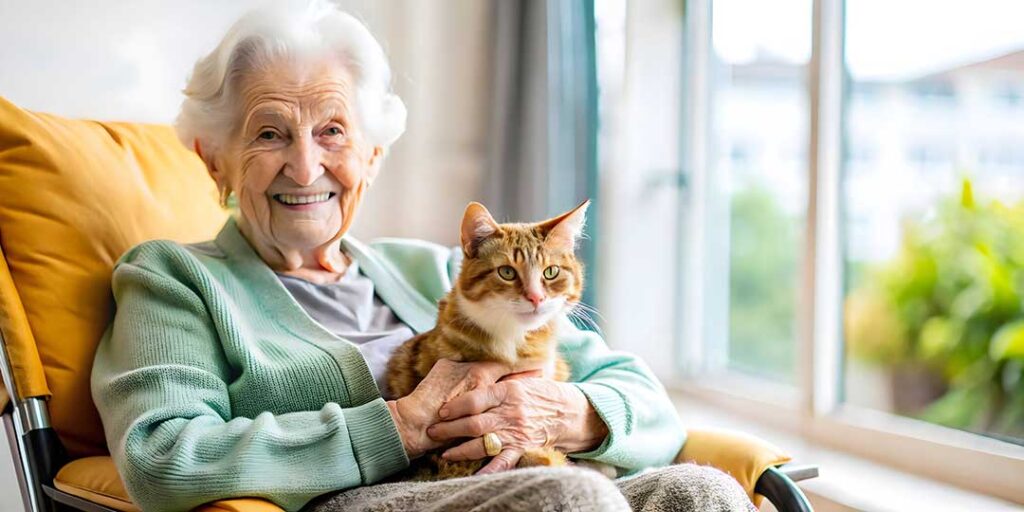
Assisted living can help couples remain together even when their daily care needs are no longer the same. One spouse may need help with bathing, medications, mobility, or meals, while the other still manages most activities independently. A suitable setting can provide support without automatically separating the couple into different residences.
In Pennsylvania, assisted living residences are designed for people who need help with daily living but do not require continuous skilled nursing care. Services may include assistance with dressing, bathing, walking, meals, housekeeping, medication support, and arranging health care. ([pa.gov](https://www.pa.gov/agencies/dhs/resources/aging-physical-disabilities/personal-care-homes?utm_source=openai))
Can spouses live in the same assisted living unit?
Usually, couples may request to share a living unit, but the arrangement must be voluntary. Pennsylvania law requires an assisted living resident to have the resident’s own living unit, while allowing two residents to agree in writing to share one unit. A residence cannot require two people to share. ([legis.state.pa.us](https://www.legis.state.pa.us/WU01/LI/LI/US/HTM/2007/0/0056..HTM?utm_source=openai))
For couples, this means the conversation should address more than whether a shared apartment is available. It is also useful to ask:
- Is the unit large enough for two people’s furniture and mobility equipment?
- Does it include a private bathroom or kitchen area?
- Can each spouse receive a separate care assessment?
- How are charges calculated when one spouse needs substantially more assistance?
- What happens if one spouse later needs nursing care or specialized memory support?
A shared unit may preserve privacy and companionship, but it should still allow each person to have an individual care plan and personal choices.
How does assisted living help when spouses have different care needs?
Assisted living can separate the practical tasks of care from the emotional relationship between spouses. A resident may receive help with dressing or medication while continuing to eat meals, attend activities, and spend time with a partner.
For example, one spouse might need reminders and supervision because of early memory loss. The other may be physically independent but no longer able to manage laundry, cooking, snow removal, or household maintenance. Moving together can reduce the pressure on the healthier spouse without requiring that person to become a full-time caregiver.
The amount and type of assistance varies by residence and by resident. Pennsylvania regulations address areas such as staff training, nutrition, personal care, health services, fire safety, and physical conditions. Assisted living residences are licensed and inspected by the Pennsylvania Department of Human Services. ([pa.gov](https://www.pa.gov/agencies/dhs/resources/licensing/pch-alr-licensing/pch-alr-compliance-guides?utm_source=openai))
What are the emotional benefits for couples?
Remaining together can provide familiarity during a major transition. Shared meals, daily conversations, religious practices, hobbies, and visits with family may help preserve the couple’s normal routines.
This does not mean every couple should share one room or participate in every activity together. Healthy arrangements often include both shared time and personal space. One spouse may enjoy group programs while the other prefers reading, quiet visits, or resting. Assisted living can support companionship without making the couple function as a single care unit.
A less obvious benefit is reducing caregiver strain. When one spouse has been helping with transfers, medication reminders, meals, or personal care, the relationship can gradually become centered on tasks. Additional support may allow the couple to spend more time together as partners rather than as caregiver and patient.
What if one spouse needs more care than the other?
Different care levels are common and should be discussed before moving. A couple may be able to live in the same residence while receiving different services, but this depends on the residence’s staffing, care policies, and ability to meet changing needs.
Questions worth asking include:
- Are care plans written separately for each spouse?
- Can staff assist one spouse during the night without disturbing the other?
- Are mobility devices accommodated safely in the unit?
- How are falls, medication changes, or hospital discharges handled?
- Can the residence support cognitive changes, incontinence, or increased transfer assistance?
- Under what circumstances would a resident need to move to another setting?
Pennsylvania describes assisted living as a setting intended to support independence, personal choice, and aging in place, but it is not the same as a nursing facility. Couples should not assume that both spouses can remain in the same setting regardless of future medical needs. ([pa.gov](https://www.pa.gov/agencies/aging/pa-carekit/caregiving-resources/long-term-services-and-support-options?utm_source=openai))
Does assisted living mean the healthier spouse must move too?
No. The spouse who needs less assistance may choose to move, remain at home, or consider another type of housing. The decision depends on finances, safety, transportation, social support, and the couple’s priorities.
Moving together can make sense when the independent spouse is also tired of maintaining a house, wants easier access to meals and activities, or feels uncomfortable being alone. It may be less suitable when that spouse strongly values a separate home, has different financial resources, or does not want a care-focused environment.
For some couples, a continuing care community may offer several levels of housing on one campus, allowing spouses with different health needs to remain nearby. Pennsylvania’s Insurance Department notes that these arrangements can be attractive when one partner is independent and the other needs more care. ([pa.gov](https://www.pa.gov/agencies/insurance/resources/consumer-resources/help-finding-continuing-care-retirement-community?utm_source=openai))
What should couples in Drexel Hill consider before moving?
Local households often weigh whether a move will keep family visits manageable, especially during winter weather, periods of heavy rain, or days when driving conditions are difficult. Proximity to relatives, familiar medical offices, faith communities, libraries, and other regular destinations may affect how connected a couple feels after moving.
The home itself also matters. Couples should look beyond the model apartment and observe:
- Hallway width and elevator access for walkers or wheelchairs
- Lighting and flooring in common areas
- Temperature control during hot summers and cold winters
- Outdoor seating that can be reached without stairs
- Parking and visitor access
- Backup plans during power outages or severe weather
- How staff respond when residents need help at the same time
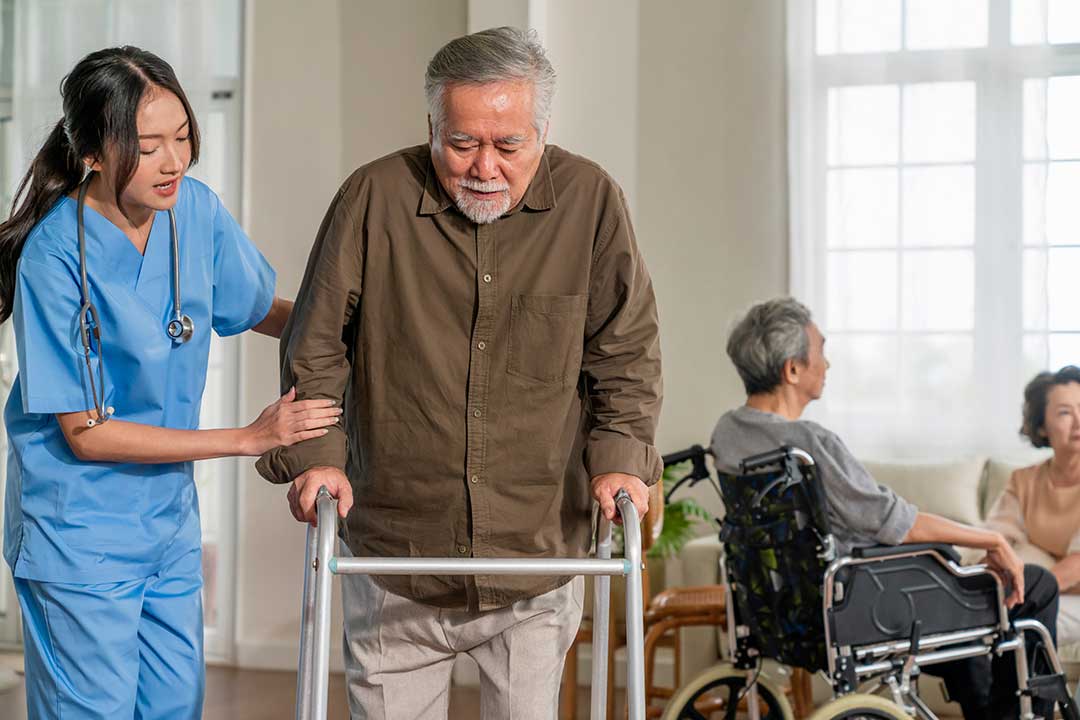
A visit at more than one time of day can reveal differences in staffing, noise, meal service, and activity levels. Pennsylvania guidance also recommends reviewing contracts, fees, optional services, resident rights, activity schedules, menus, and house rules before making a decision. ([pa.gov](https://www.pa.gov/agencies/dhs/resources/aging-physical-disabilities/personal-care-homes?utm_source=openai))
How should couples plan financially?
Costs may not be identical for both spouses. One person may pay for basic housing and meals, while the other has additional charges for medication assistance, bathing, transportation, or personal care. Pennsylvania states that assisted living and personal care services are generally paid privately, although some residents may have other forms of support depending on eligibility and program rules. ([pa.gov](https://www.pa.gov/agencies/dhs/resources/aging-physical-disabilities/personal-care-homes?utm_source=openai))
Before signing an agreement, compare the total monthly cost for both people, not only the base rate. Ask for written details about:
- Apartment or unit charges
- Care fees for each spouse
- Medication management
- Incontinence or mobility assistance
- Transportation
- Personal laundry
- Guest meals
- One-time community or administrative fees
- Charges that may change after a reassessment
Couples should also discuss legal documents, emergency contacts, powers of attorney, advance directives, and what each person wants if living arrangements must change later.
What is the main question to ask?
The most useful question is not simply, “Can we live together?” It is, “Can each of us receive the right level of support while preserving our relationship, privacy, safety, and choices?”
A good plan recognizes both people separately. It allows the couple to share daily life where possible, receive assistance where needed, and prepare for the possibility that their needs may change at different speeds.
